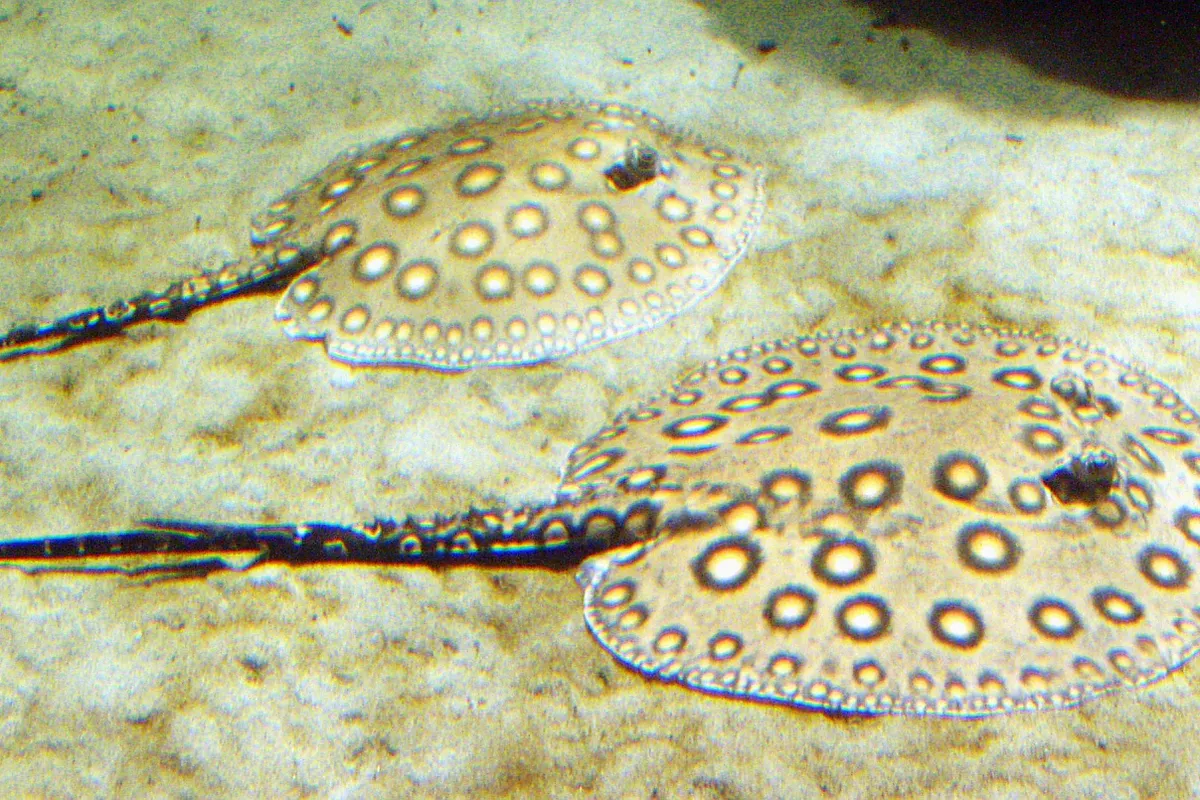
The motoro stingray is the most widely kept freshwater ray, and one of the most rewarding big fish in the hobby. Its round disc is covered in orange, yellow-ringed eye-spots, it glides over the sand like a living rug, and it soon learns to take food from your hand. Potamotrygon motoro is also a serious commitment, with real space, water and safety needs.
Before you buy a ray, check your local rules. Some countries and states restrict or ban freshwater stingrays, and moving them across borders often needs a permit.
Where motoro stingrays come from
Motoros are the most widespread freshwater ray in South America, found in the Amazon, Orinoco and Paraná–Paraguay river systems. They live over sand and mud in slow rivers, lagoons and flooded areas, burying themselves to rest and ambush prey. Many rays in the trade are now captive bred, which is the better choice.
Appearance and behaviour
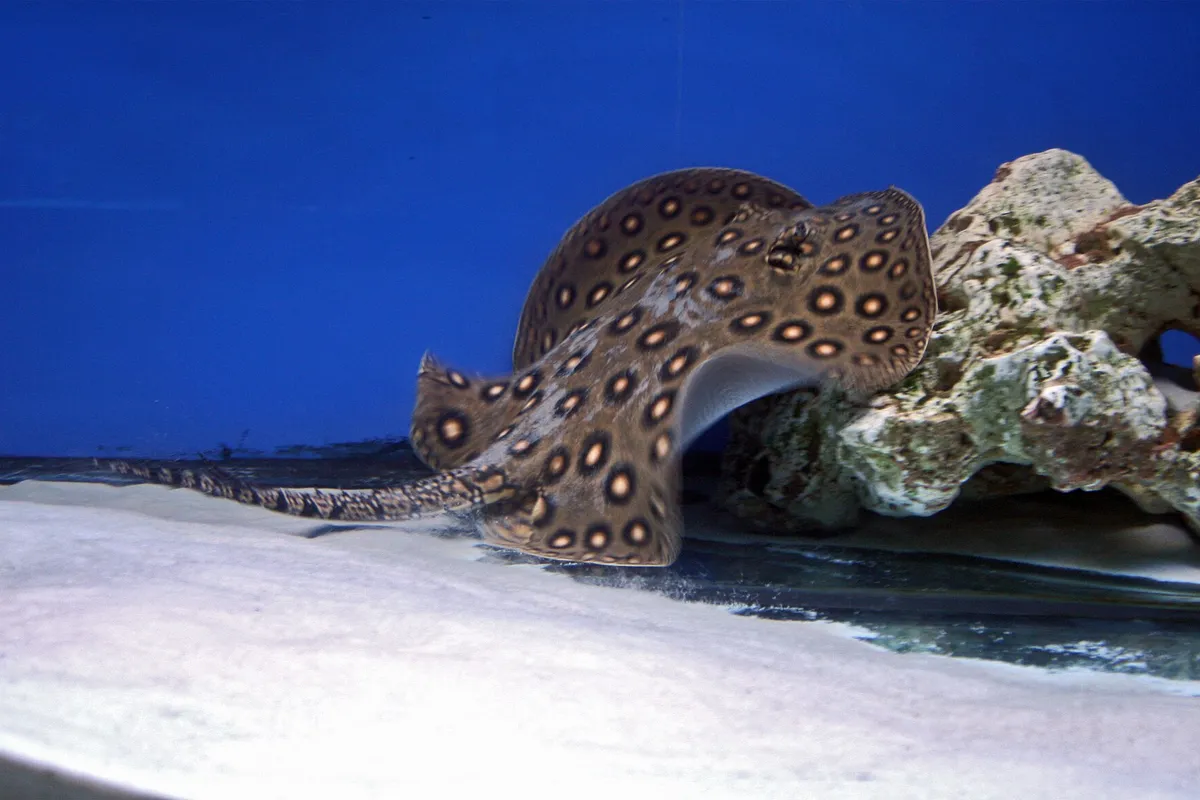
The disc is round and brown to grey, with large orange or yellow eye-spots ringed in black. Females grow larger than males; adult disc width is usually 35–45 cm, with a total length including tail of up to 60 cm or more. Males have claspers at the base of the tail.
The tail carries a barbed, venomous spine. Stings are extremely painful and can need hospital care. Use long tongs, never put your hands in the sand where a ray is hiding, and keep a plan in place for what to do if someone is stung.
Tank setup
Floor area is everything. A single adult needs a tank of at least 180 x 90 cm footprint, and a pair needs bigger. Water depth of 45–60 cm is plenty. Use soft, fine sand so the ray can bury itself without scratching its underside, and keep décor to a minimum, pushed to the sides. Heaters must be guarded or placed in a sump, because rays get burned resting on them.
Filtration has to be oversized: sumps, large canister filters or both. Rays produce a lot of waste and are very sensitive to ammonia and nitrite. Our guide to sumps explains the basics, which work just as well on a freshwater system.

Water parameters
Aim for 25–30°C, pH 6.0–7.5 and soft to medium hardness, with zero ammonia and nitrite and nitrate kept below 20 mg/l. Change 30–50% of the water every week. Stable, very clean water matters far more than hitting an exact pH. Our guide to soft water and blackwater chemistry covers the range rays come from.
Feeding
Motoros are carnivores. Good foods include earthworms, mussels, cockles, prawns, white fish, squid and good sinking pellets. Newly imported rays often eat only live blackworms or earthworms at first. Feed young rays two or three times a day and adults once or twice. A thick, rounded disc shows a well-fed ray; a hollow look behind the eyes is an early warning sign.
Tank mates
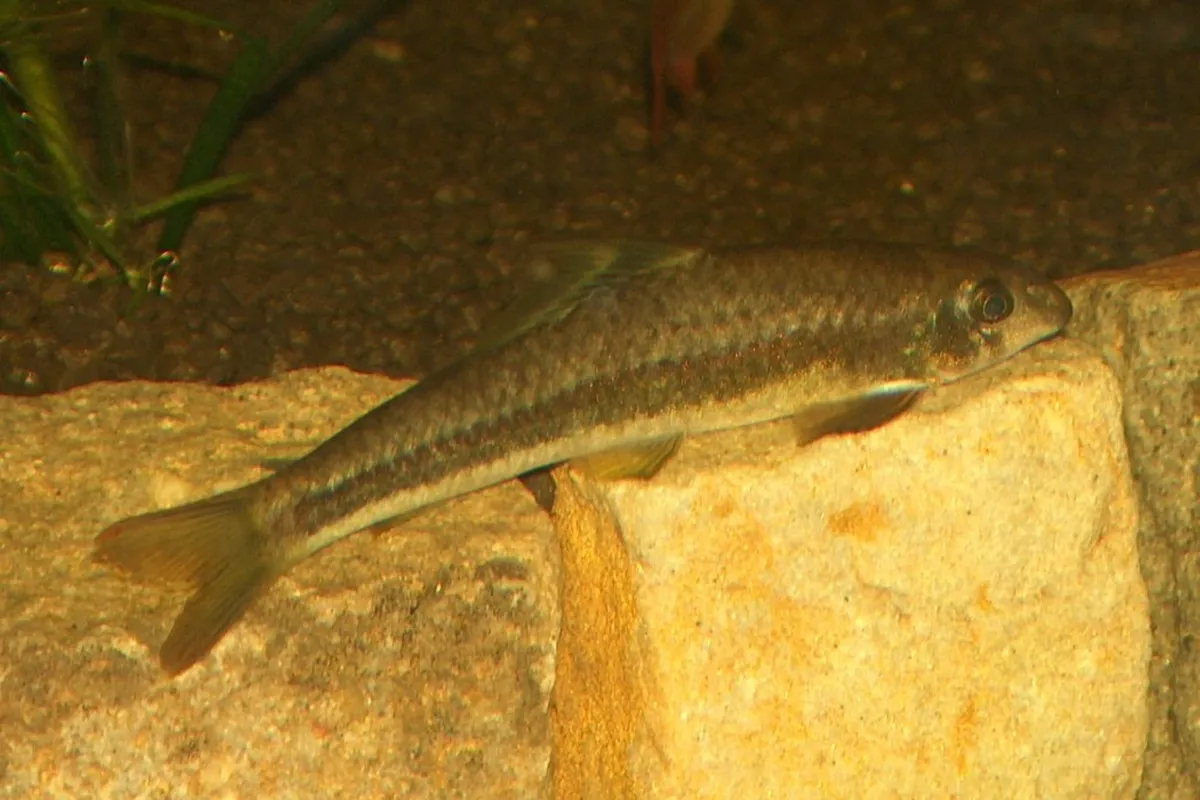
Keep tank mates that stay in the upper half of the water and will not nip: larger tetras, silver dollars, peaceful larger cichlids such as uarus, and arowanas in very large tanks. Avoid plecos and other suckermouth catfish, which can latch on to a ray's disc and damage it.
Breeding
Motoros give birth to live young after a pregnancy of about three months. A healthy female can drop 3–10 pups, each a miniature adult that eats small worms within days. Males can be rough during courtship, biting the female's disc edges, so a separate tank is useful.
Common problems and lifespan
Most losses come from poor water quality, too-small tanks, heater burns and refusing food after import. Signs of trouble include a curled disc edge, cloudy eyes, heavy breathing and staying off the bottom. Use a quarantine tank, never use salt or copper-based medicines, and test water often. With good care motoro stingrays live 10–15 years.
Explore other topics
Dive into more aquarium guides across the site.